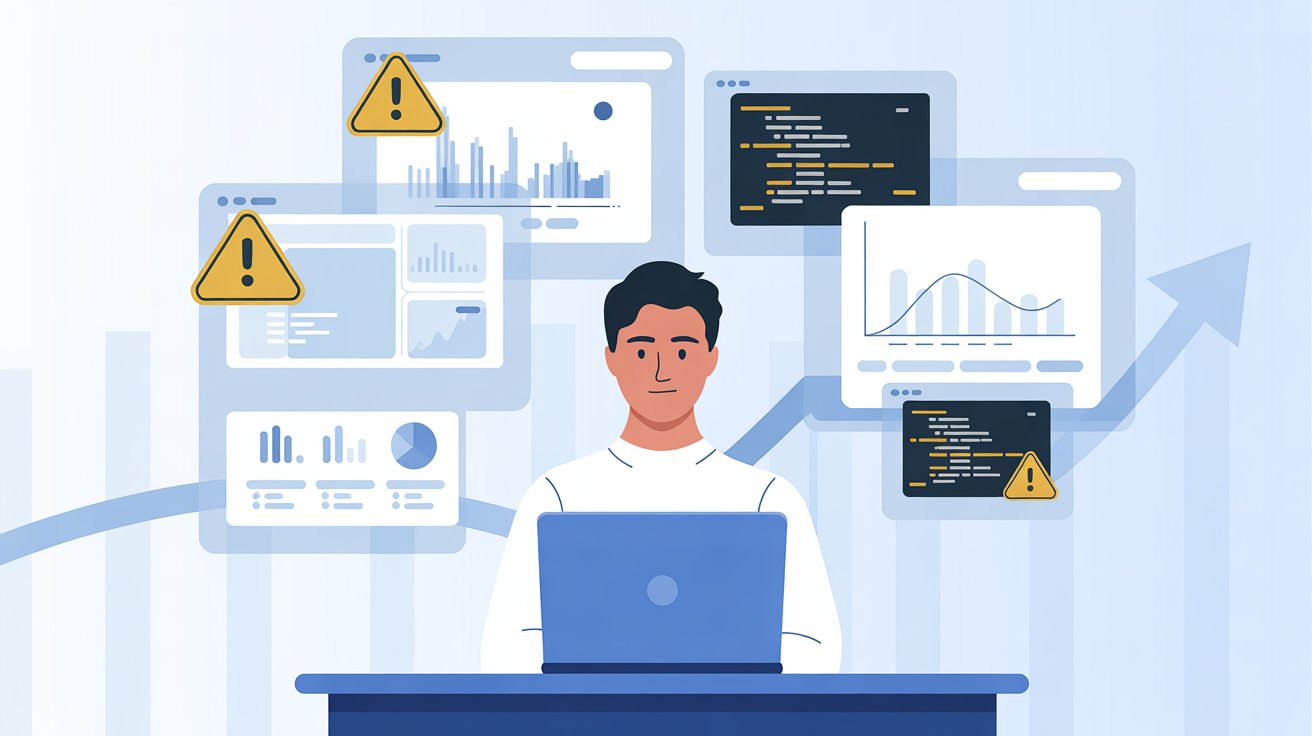
In today’s digital world, marketing has evolved into a data-driven discipline where every click, view, and interaction holds measurable value. For job seekers exploring roles in digital marketing, data analytics has become one of the most in-demand skill areas. Companies across industries rely on analytics to understand customer behavior, optimize campaigns, and evaluate ROI—making it essential for anyone pursuing a marketing career.
This blog highlights why analytics matters, how it helps measure marketing success, and why professionals with strong analytical capabilities are highly valued in the modern job market.
Why Analytics Matters in Marketing
Marketing analytics involves collecting, interpreting, and applying data to improve marketing efforts. It helps organizations move beyond assumptions and make decisions backed by real evidence. Using analytics, marketers can identify what works, what doesn’t, and where to focus resources for maximum results.
For job seekers, understanding analytics tools and metrics significantly enhances employability. Employers look for candidates who can not only execute campaigns but also measure performance and derive meaningful insights.
Key Metrics That Define Marketing Success
1. Website Traffic & User Behavior
Analytics platforms like Google Analytics help marketers track visits, page views, bounce rates, session duration, and user flow. These indicators reveal how effectively the website attracts and engages audiences.
2. Conversion Rate
Conversions—such as sign-ups, downloads, or purchases—reflect the success of marketing activities. Tracking conversion rates helps companies refine their approach and improve campaign efficiency.
3. Lead Generation & Cost Per Lead (CPL)
Businesses depend on quality leads. Analytics tools measure lead volume, quality, and acquisition cost, enabling marketers to optimize their spending and outreach strategies.
4. Customer Acquisition Cost (CAC)
CAC represents the total cost of acquiring a new customer. By monitoring this metric, businesses maintain profitability while scaling their marketing efforts.
5. Return on Investment (ROI)
ROI is the ultimate indicator of success. Analytics provides clarity on whether the money invested in marketing delivers tangible financial returns.
6. Social Media Engagement
Likes, comments, shares, follower growth, and click-through rates help gauge brand visibility and audience interest. Platforms such as Meta Business Suite, LinkedIn Analytics, and X Analytics offer valuable performance insights.
7. Email Marketing Metrics
Open rate, click-through rate (CTR), unsubscribe rate, and email conversions show how well email campaigns resonate with audiences.
How Analytics Transforms Modern Marketing
Data-Driven Decision Making
Analytics eliminates guesswork, giving marketers a clear direction based on data. This leads to smarter strategies and better outcomes.
Personalized Customer Experiences
By analyzing user behavior, marketers deliver personalized content, offers, and recommendations. Personalization boosts engagement, loyalty, and revenue.
Performance Optimization
Analytics identifies high-performing campaigns and highlights areas needing improvement. Real-time metrics allow marketers to adjust strategies instantly.
Predictive Insights
Advanced analytics and AI tools predict future trends, customer preferences, and market behavior—allowing businesses to stay ahead of competition.
Attribution Modeling
Attribution models show which channels contribute most to conversions. This helps allocate budgets effectively and maximize campaign impact.
Why Analytics Skills Boost Career Opportunities
For job seekers in marketing, analytics proficiency sets you apart. Employers increasingly seek professionals who can:
-
Interpret marketing metrics
-
Use tools like Google Analytics, HubSpot, SEMrush, and Tableau
-
Build performance reports
-
Optimize campaigns based on data
-
Communicate insights to teams and leadership
Digital marketing analysts, SEO specialists, PPC managers, content strategists, and growth marketers all rely on analytics—making it a core skill in today’s job market.
Final Thoughts
Marketing success is no longer measured by creativity alone—it is defined by measurable results. Analytics empowers companies to track performance, improve campaigns, and enhance customer experiences. For job seekers, mastering analytics opens doors to high-growth career paths and competitive opportunities in the digital marketing ecosystem.
Whether you’re starting your career or looking to advance, investing time in learning analytics tools and concepts will help you thrive in the dynamic world of marketing.