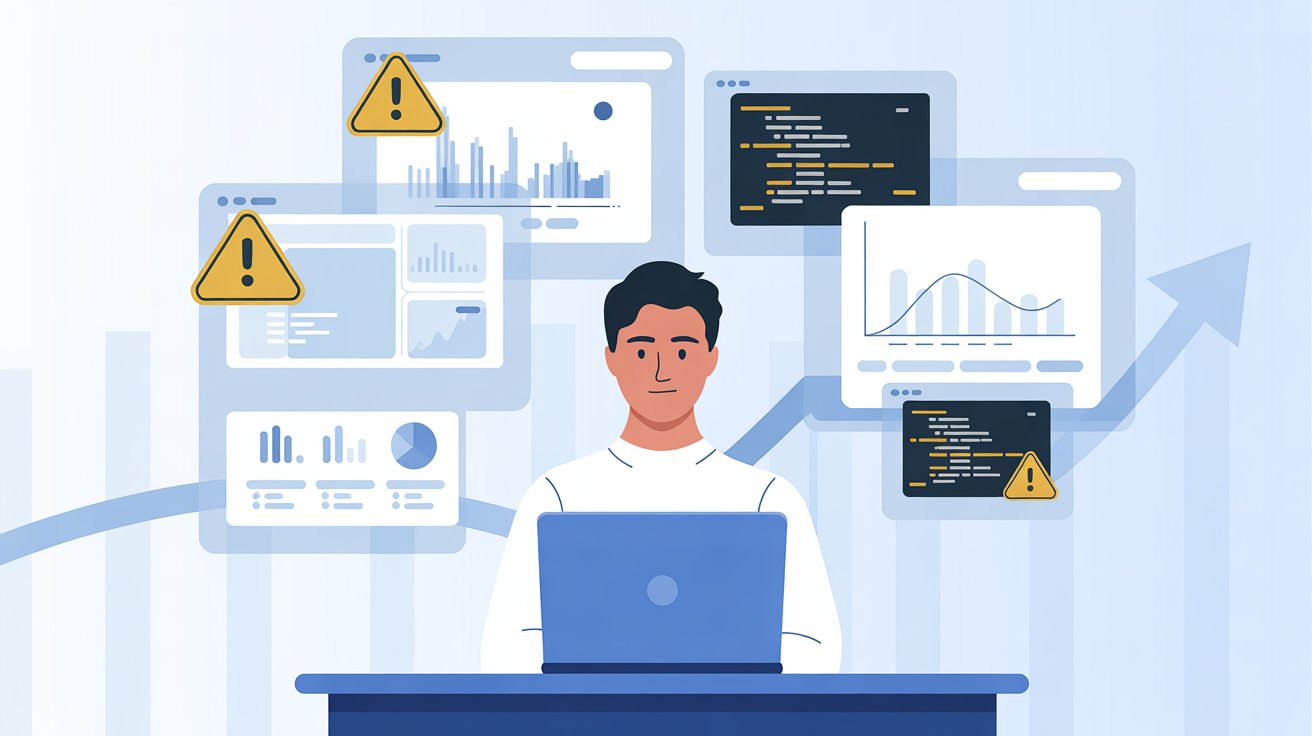
As data continues to shape decision-making across industries, the demand for Junior Data Analysts has grown rapidly. For fresh graduates and early-career professionals, this role serves as the foundation of a long-term career in analytics, business intelligence, and data science.
If you’re exploring an entry-level data analytics role or planning to apply for one, understanding what a Junior Data Analyst does on a day-to-day basis can help you assess whether this career path aligns with your skills and interests.
This guide breaks down the core roles, responsibilities, tools, and career expectations of a Junior Data Analyst.
Who Is a Junior Data Analyst?
A Junior Data Analyst is an entry-level professional who supports senior analysts, business teams, and stakeholders by collecting, cleaning, analysing, and reporting data. Their primary goal is to transform raw data into meaningful insights that help organisations improve performance, optimize operations, and make informed decisions.
Junior Data Analysts typically work in industries such as technology, finance, healthcare, e-commerce, consulting, and operations, where data plays a critical role in tracking performance and identifying trends.
Key Roles & Responsibilities of a Junior Data Analyst
1. Data Collection and Preparation
One of the most important responsibilities of a Junior Data Analyst is working with raw data. This includes:
-
Gathering data from databases, spreadsheets, APIs, or internal systems
-
Cleaning datasets by removing duplicates, fixing errors, and handling missing values
-
Organising data into structured formats suitable for analysis
Clean and accurate data is the foundation of reliable insights.
2. Data Analysis and Interpretation
Junior Data Analysts analyse datasets to identify:
-
Trends and patterns
-
Performance gaps
-
Operational inefficiencies
Using tools like Excel, SQL, or basic Python, they help answer business questions such as:
-
Why did sales drop last month?
-
Which process is causing delays?
-
What factors are affecting customer behaviour?
3. Reporting and Dashboard Creation
A key part of the role is turning analysis into easy-to-understand reports. Junior Data Analysts often:
-
Create daily, weekly, or monthly reports.
-
Build dashboards using tools like Power BI, Tableau, or Google Data Studio.
-
Track KPIs and operational metrics
Clear reporting ensures stakeholders can quickly act on insights.
4. Supporting Business and Operations Teams
Junior Data Analysts frequently work with operations, sales, marketing, and finance teams. Their responsibilities may include:
-
Supporting operational reporting
-
Helping teams track efficiency and productivity
-
Providing data for forecasting and planning
This cross-functional exposure helps analysts understand how data impacts real business decisions.
5. Data Validation and Quality Checks
Ensuring data accuracy is a critical responsibility. Junior Data Analysts:
-
Validate data sources
-
Cross-check reports against raw data.
-
Identify inconsistencies or anomalies.
Strong attention to detail is essential in this part of the role.
6. Documentation and Process Improvement
Junior analysts are often involved in:
-
Documenting data definitions and reporting logic
-
Maintaining process documentation
-
Suggesting improvements to reporting workflows
These contributions help create scalable and repeatable analytics processes.
Common Tools Used by Junior Data Analysts
Most Junior Data Analyst roles require familiarity with:
-
Microsoft Excel / Google Sheets – data analysis, pivot tables, formulas
-
SQL – querying databases and extracting insights
-
BI Tools – Power BI, Tableau, Looker
-
Basic Programming (Optional) – Python or R for data analysis
-
Databases – MySQL, PostgreSQL, or cloud data warehouses
You’re not expected to master everything on day one—but strong fundamentals are essential.
Skills Required for a Junior Data Analyst
To succeed in this role, candidates should develop:
-
Analytical and problem-solving skills
-
Basic statistics knowledge
-
Attention to detail
-
Strong communication skills
-
Curiosity and willingness to learn
Soft skills matter just as much as technical skills, especially when presenting insights to non-technical teams.
Career Growth After a Junior Data Analyst Role
The Junior Data Analyst role is often the first step toward:
-
Data Analyst
-
Business Analyst
-
Operations Analyst
-
BI Analyst
-
Data Scientist (with additional skills)
With experience, analysts take on more complex projects, advanced modelling, and strategic decision-making responsibilities.
Is a Junior Data Analyst Role Right for You?
If you enjoy:
-
Working with numbers and data
-
Solving business problems
-
Creating reports and dashboards
-
Learning new tools and technologies
Then, a Junior Data Analyst role is an excellent starting point for a data-driven career.
🚀 Explore a Live Data Analyst Opportunity
Looking to start your career as a Data Analyst in operations?
Check out this open role and apply today:
👉 https://digitalsolutiontech.com/job/data-analyst-operations/