
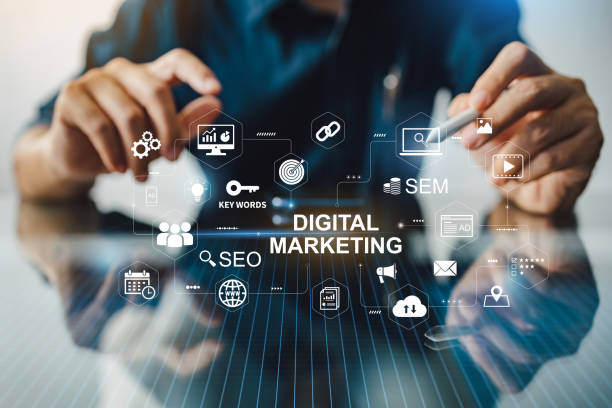
In today’s rapidly evolving, technology-driven environment, digital marketing has become a crucial instrument for enterprises aiming to broaden their influence, connect with audiences, and attain quantifiable growth. Whether you are an experienced marketer or a business proprietor navigating the digital realm, grasping the fundamentals and latest developments in digital marketing is essential for maintaining a competitive edge.
What is Digital Marketing?
Digital marketing encompasses the promotion of goods or services via digital channels, such as search engines, social media, email, and websites. Unlike conventional marketing, digital marketing empowers organizations to target specific demographics, monitor performance in real time, and enhance campaigns for improved outcomes.
Why is Digital Marketing Important?
Global Reach: Digital marketing transcends geographical limitations, allowing businesses to engage with consumers worldwide.
Cost-Effective: In comparison to traditional advertising, digital marketing provides more economical options to connect with a broader audience.
Data-Driven: Digital platforms offer valuable insights into consumer behavior, aiding businesses in making educated choices.
Engagement: Digital channels facilitate real-time interactions with customers, nurturing trust and loyalty.

Core Components of Digital Marketing
To develop an effective digital marketing strategy, it is vital to comprehend its fundamental components:
1. Search Engine Optimization (SEO)
SEO is the process of enhancing a website to achieve higher rankings in search engine results pages (SERPs). Essential elements of SEO include keyword analysis, on-page enhancement, and backlink development. By increasing your site’s visibility, you can attract organic traffic and generate leads without depending solely on paid advertisements.
2. Pay-Per-Click Advertising (PPC)
PPC entails executing paid advertisements on platforms such as Google Ads, Facebook, and Instagram. Advertisers incur costs only when users click on their ads, rendering it a cost-efficient method to drive traffic. Successful PPC campaigns necessitate careful audience targeting, engaging ad creatives, and ongoing optimization.
3. Content Marketing
Content marketing is centered on producing valuable, pertinent, and engaging content to attract and retain a clearly defined audience. Blogs, videos, infographics, and eBooks represent some popular forms of content marketing. High-quality content not only drives traffic but also positions your brand as an authority within your industry.
4. Social Media Marketing
Social media platforms like Facebook, Instagram, LinkedIn, and TikTok are powerful instruments for connecting with your target audience. From organic postings to paid advertisements, social media marketing assists businesses in cultivating brand awareness, driving engagement, and fostering community.
5. Email Marketing
Despite being one of the earliest forms of digital marketing, email marketing continues to be remarkably effective. By dispatching personalized and targeted emails, businesses can nurture leads, promote products, and establish enduring customer relationships.
6. Affiliate Marketing
Affiliate marketing involves collaborating with influencers or other enterprises to advertise your products or services. Affiliates earn a commission for every sale they create, establishing it as a performance-based marketing approach.
7. Analytics and Reporting
Comprehending the performance of your digital marketing initiatives is vital. Tools such as Google Analytics, SEMrush, and HubSpot provide detailed insights into user behavior, campaign performance, and ROI, facilitating data-driven decision-making.

Emerging Trends in Digital Marketing
Digital marketing is perpetually advancing, and remaining informed about the latest developments is critical for achievement. Below are some of the most prominent trends expected in 2025:
1. Artificial Intelligence (AI) in Marketing
AI-driven tools are transforming digital marketing by streamlining tasks such as content generation, customer segmentation, and predictive analysis. Chatbots, for example, offer immediate customer assistance, enhancing user satisfaction.
2. Voice Search Optimization
With the advent of voice assistants like Alexa and Siri, optimizing content for voice search is becoming imperative. Voice search inquiries tend to be longer and more conversational, necessitating that businesses modify their SEO tactics.
3. Video Marketing
Video content continues to prevail in the digital realm, with platforms such as YouTube, TikTok, and Instagram Reels at the forefront. Live streaming and short-form videos are especially effective in engaging audiences.
4. Personalization
Consumers anticipate customized experiences, and digital marketers are utilizing data to provide tailored content and suggestions. From individualized email campaigns to adaptive website content, personalization enhances engagement and conversion rates.
5. Sustainability and Ethical Marketing
Contemporary consumers are increasingly aware of sustainability and ethical standards. Brands that resonate with these principles and communicate them effectively are more likely to garner trust and loyalty.
6. Augmented Reality (AR) and Virtual Reality (VR)
AR and VR are altering the manner in which businesses engage with customers. From virtual product demonstrations to immersive brand experiences, these technologies present boundless opportunities for innovative marketing initiatives.
Measuring Success in Digital Marketing
Key performance indicators (KPIs) enable you to evaluate the effectiveness of your digital marketing endeavors. Typical KPIs include:
Website Traffic: Track the volume of visitors to your site.
Conversion Rate: Monitor the proportion of visitors who undertake a desired action, such as completing a purchase or subscribing to a newsletter.
Engagement Rate: Assess likes, comments, shares, and other interactions on your social media content.
Return on Investment (ROI): Evaluate the profitability of your digital marketing initiatives.
The Future of Digital Marketing.
As technology progresses, the future of digital promotion presents thrilling opportunities. Artificial intelligence, blockchain, and data protection regulations will influence the manner in which enterprises engage with consumers. To succeed in this evolving environment, organizations must stay flexible, inventive, and oriented towards the customer.
Final Thoughts
Digital promotion is an influential instrument that can revolutionize the manner in which enterprises function and expand. By comprehending its fundamental elements, remaining informed about emerging trends, and executing a meticulously planned strategy, one can attain significant achievements in the digital domain. Whether you are a small business proprietor or a marketing expert, adopting digital promotion is no longer optionalit is indispensable.
Visit us: https://digitalsolutiontech.com/